
Learn the basics of strategy for a format defined by constant adaptation.
The Rules offer a brief introduction of strategy (and a very literal “how to” explanation), but this article will detail the common nuances you can expect to find and some key points to pay attention to. The examples discussed will be centered around my Rally V.II cube list, but the lessons are applicable regardless of what cards are included.
Perfect Information
MTG Rally is a game played with perfect information of the cards in your opponent’s deck; you know exactly what cards they start with and you watch them add all other cards to it as you play. So long as you’re paying attention, you will never be surprised.
Try to pay attention to the cards available for drafting that directly counter the strategy that you’ve witnessed your opponent begin to construct. Draft Khenra Charioteer if they’re drafting chump blockers with good ETBs or Tendrils of Agony if they keep playing instants to play on your turn.
This paradigm works in both directions though, so understand what signals you’re sending your opponent when you draft a non-black creature if Terror is available.

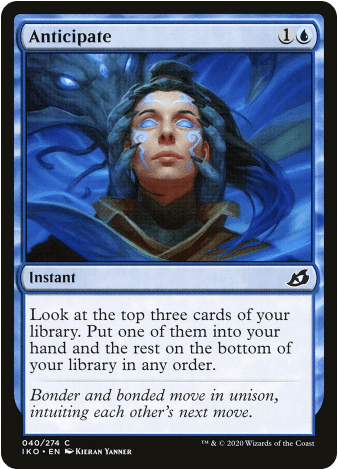
The Art of Anticipation
- Learning to keep track of your opponent’s shuffles will greatly help you understand when the cards they’ve recently drafted will begin to show up again.
- Learning to keep track of what cards you have/have not seen each shuffle cycle will help you make advantageous decisions. For example, if you know your opponent is likely to have drawn their Arrows of Justice this turn, you may choose to just not attack at all or only attack with creatures you’d prefer to die. The fewer cards are left in their deck, the easier it becomes to anticipate what must be in their hand.
Deck Velocity
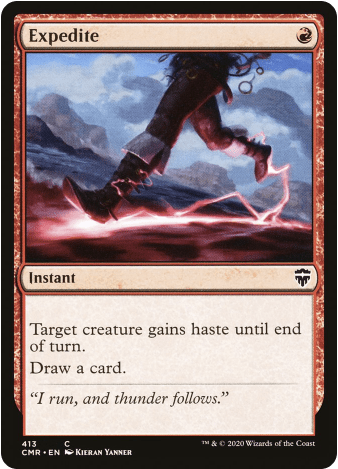
MTG Rally is a game of adapting to your opponent’s strategy, but your ability to implement your adaptations always happens on a delay. Incandescent Aria is an excellent card to draft if you’re getting overrun by a series of small creatures, but you’re unlikely to draw it immediately. So, you want to draft it when you notice your opponent drafting their series of small creatures rather than waiting until you’re already being beaten down by them because it will be too late by then.
To combat this delay, you can draft cards that thin your deck by exiling cards you no longer want or functionally thin your deck by milling, looting, surveiling etc. By increasing the speed at which you cycle through your deck, you increase the speed at which you can adapt to the boardstate.
It is usually highly advantageous to draft cards that speed up your shuffle cycles in the early game so you can pivot faster than your opponent in the mid game.
Who’s the Beatdown?
It’s a classic question (and wonderfully answered by Mike Flores back in 1999) that bears particular relevance in a format built around adaptability. Understanding your route to victory is key. Even if you diligently track your opponent’s drafts, their shuffle cycles, and properly assemble a high velocity deck, if you don’t understand when to change your draft strategy, you’ll be left behind.
- If your opponent drafts Fallaji Excavation in their first shuffle cycle, you know they’re looking to play for the late game and overwhelm you with a mana advantage over time. But how much should this influence you? If the high cube revealed a bunch of 6+ drops that would be out of reach of your deck but well within reach of their powerstones, you know you’ve got to burn them down as quick as possible. But if the high cube has mostly revealed 4-drops and the occasional 5-drop, then it’s going to take a while before their mana advantage is truly felt.
- If you’ve been competing with your opponent with small threats and you notice they pick up a handful of combat tricks to keep their creatures alive, maybe that’s a sign to pivot into some mana producers yourself.

In Conclusion
Hopefully, you now have a better understanding of how to draft Rally. It’s a game that rewards constant adaptation, and experience tends to be the best teacher, so go out and play a few rounds and report back any lessons you’ve learned!
 MtG:Rally
Leave a comment